Vintage Ditsy Flowers Digital Papers
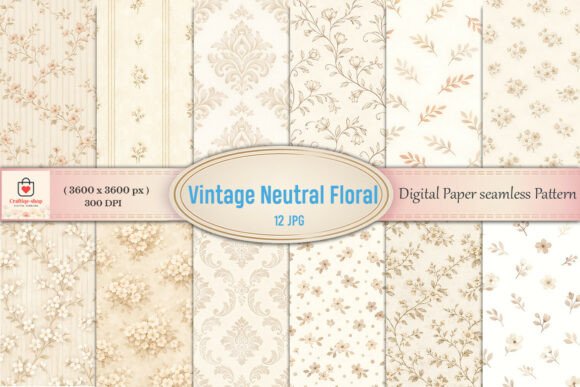
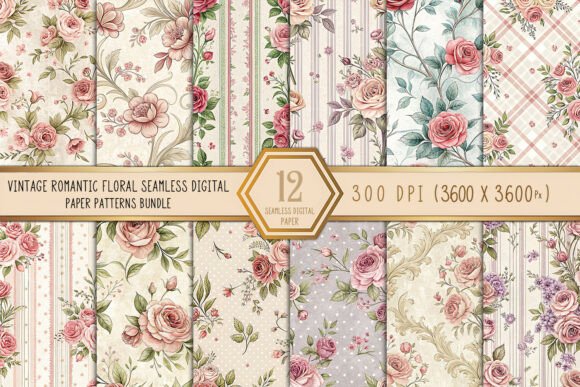
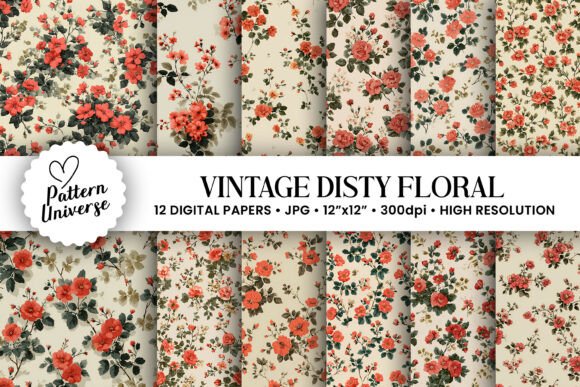
Vintage Ditsy Flowers Digital Papers offer a charming and versatile collection of 12 seamless patterns perfect for a wide range of creative projects. Each design features delicate, small floral motifs that evoke a sense of nostalgia and timeless elegance. These digital papers are ideal for adding a touch of vintage flair to everything from greeting cards and invitations to tumbler wraps and scrapbooks.
The visual characteristics of these digital papers are defined by their soft, pastel color palettes and intricate ditsy flower patterns. The designs blend seamlessly, making them suitable for both print and digital use. Their high-resolution format ensures clarity and sharpness, whether you're printing a custom card or creating a digital background for social media graphics.
Where Vintage Ditsy Flowers Digital Papers Shine
Vintage Ditsy Flowers Digital Papers are incredibly adaptable, fitting well into various design contexts. For personal projects, they make excellent backgrounds for journal pages, wall art, and handmade cards. In commercial settings, they can enhance packaging design, promotional materials, and branding elements with a refined, artisanal feel.
Designers often use these papers in editorial design, such as for magazine layouts or blog headers, where a subtle yet stylish background is needed. They also work well in web design, offering a visually appealing backdrop for websites that aim to convey creativity and charm. Social media graphics benefit from the paper's aesthetic, especially when paired with clean typography for a balanced look.
For entrepreneurs and small business owners, these digital papers provide a cost-effective way to elevate product packaging, marketing collateral, and promotional content. Their versatility makes them a valuable addition to any design asset library, particularly for those working in the stationery, craft, or lifestyle industries.
How the Design Influences Visual Communication
The style of Vintage Ditsy Flowers Digital Papers plays a key role in shaping visual hierarchy and brand perception. The gentle, flowing patterns create a soft focal point that draws attention without overwhelming the viewer. This makes them ideal for projects where a calm, inviting atmosphere is desired.
When used in logo design or branding, these papers can add a layer of sophistication and uniqueness. However, it's important to consider how the pattern interacts with other design elements. Overuse or improper pairing can lead to clutter, so careful selection and placement are essential.
Readability is another factor to consider. While the patterns are elegant, they should not interfere with text legibility. When using these papers as backgrounds, ensure there is sufficient contrast between the text and the design to maintain clarity and professionalism.
Choosing the Right Font Pairing
Pairing Vintage Ditsy Flowers Digital Papers with the right font can enhance the overall design and reinforce the intended message. For a cohesive look, consider using a complementary typeface that matches the vintage theme. A serif font, for example, can add a classic and refined touch, while a handwritten or script font can introduce a more personal and artistic feel.
When selecting fonts, evaluate how they interact with the paper's texture and colors. A modern sans serif might provide a nice contrast, but it could also clash if not chosen carefully. Testing different combinations on mockups or samples is a practical approach to finding the best match for your project.
Reviewing the included styles of the digital papers can help you understand the full range of options available. Some designs may have a more muted palette, while others feature bolder hues. Knowing the nuances of each pattern allows for more informed design decisions and better alignment with your creative vision.
Practical Tips for Using Vintage Ditsy Flowers Digital Papers
Before incorporating these digital papers into your work, consider the specific needs of your project. Are you designing for print or digital use? Will the paper be used as a background or a primary element? Understanding the context helps determine the best way to utilize the design.
Commercial licensing is an important consideration for designers and small businesses. Ensure that the license covers all intended uses, including personal and commercial projects. This protects your work and avoids potential legal issues down the line.
Finally, don't hesitate to experiment. Try using the papers in unexpected ways, such as for wall art, tumbler wraps, or even as part of a larger collage. The flexibility of these designs means they can be adapted to suit a variety of creative needs, making them a valuable tool for any designer or hobbyist.